
Commercial Air Balancing Services
Comprehensive Commercial Air Balancing Services in Florida for Energy Efficiency and HVAC Optimization
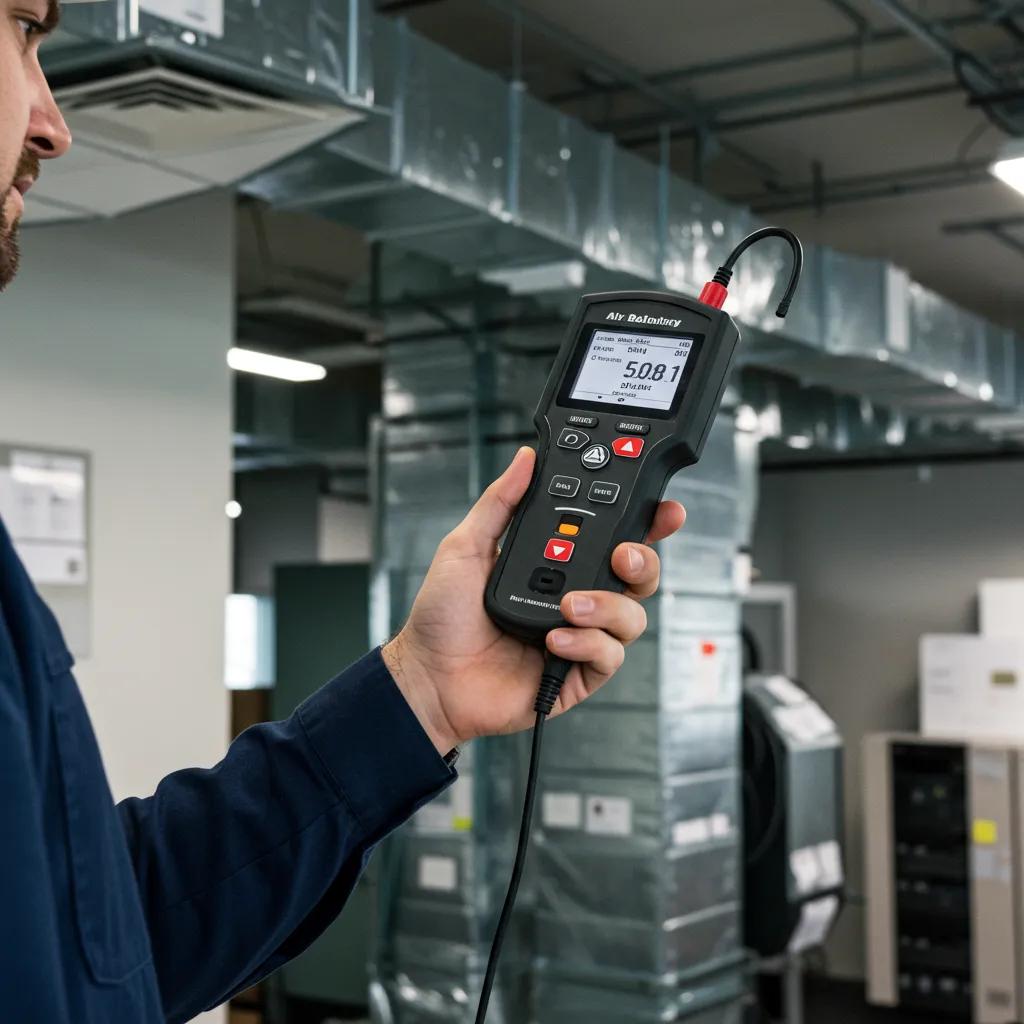
Commercial air balancing, often called TAB (Testing, Adjusting, Balancing), is the engineered process of measuring and calibrating airflow in supply, return, and exhaust systems to ensure each space receives the correct ventilation and thermal conditions. This article explains how professional HVAC air balancing improves energy efficiency, indoor air quality (IAQ), occupant comfort, and equipment longevity for commercial and industrial buildings. Facility managers, HVAC system engineers, and technicians will learn the step-by-step TAB workflow, the measurement tools used, sector-specific requirements for Florida facilities, and the certifications and standards that verify high-quality work. Common operational signs that indicate a need for rebalancing and how balanced airflow ties into building automation and predictive maintenance are covered with actionable guidance. Where relevant, the article highlights how CCS Mechanical Inc. — a Florida-based engineering-driven provider — addresses facility needs and career opportunities, while keeping the technical material front and center for readers seeking rigorous, practical information.
Why Commercial Air Balancing is Essential for Your Facility’s HVAC Performance?
Commercial air balancing ensures that designed ventilation rates and temperature control objectives are met by aligning measured airflow with system design targets. When supply and return flows are incorrect, systems waste energy, experience uneven comfort, and increase wear on fans and compressors; balancing corrects these discrepancies through measured adjustment. Properly balanced systems improve occupant comfort, reduce utility costs, and stabilize pressure relationships that protect sensitive spaces from contamination or cross-contamination. Facilities that prioritize TAB see fewer tenant complaints and more predictable HVAC operation, which reduces emergency service calls and supports long-term maintenance planning.
Key Benefits of Air Balancing for Commercial Buildings?
Air balancing delivers consistent thermal comfort, regulated ventilation rates, and predictable system behavior that directly reduce occupant complaints and operational disruption. Balanced airflow stabilizes zone temperatures and humidity, which supports productivity and tenant satisfaction while minimizing localized hot and cold spots. Improved ventilation rates dilute indoor contaminants and support compliance with code requirements for occupied spaces. This section’s comparison table quantifies common outcomes so facility managers can compare expected impacts across energy, comfort, and maintenance metrics.
These quantifiable outcomes help justify TAB as a capital or operational investment, and they lead naturally into the specific energy mechanisms that balancing targets.
How Air Balancing Improves Energy Efficiency and Reduce Costs?
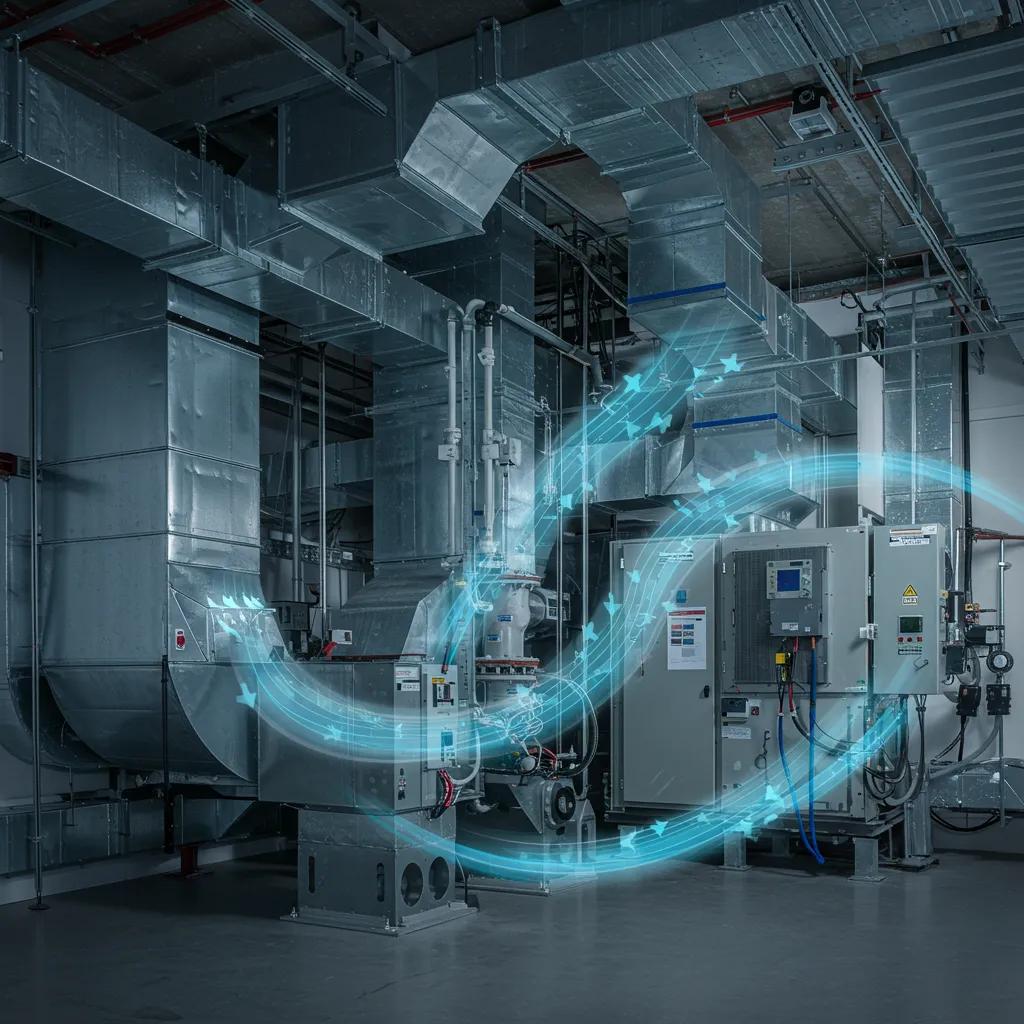
Air balancing removes wasted airflow and unnecessary fan/pump loading by aligning delivered CFM with design requirements and minimizing reheat or excess ventilation. Correct damper settings, optimized fan curves, and calibrated VFD control reduce runtime and prevent short-cycling, which translates to measurable energy reductions. By reducing over-ventilation and correcting pressure imbalances, balancing can eliminate simultaneous heating and cooling scenarios that waste significant energy. Facility teams can expect a combination of immediate runtime improvements and longer-term operational savings that support maintenance budgets and capital planning.
Testing and Balancing HVAC Air and Water Systems for Commercial Energy Efficiency
Water is a refrigerant used in HVAC absorption refrigeration systems. We test and balance air and water systems for the quantity of airflow or water flow which is carrying heat to a space
Testing and balancing HVAC air and water systems, 2022
How Air Balancing Enhances Indoor Air Quality and Occupant Comfort?

Balanced systems maintain designed ventilation rates, enabling consistent dilution of pollutants and controlled pressurization for critical areas such as labs or isolation suites. Proper airflow distribution ensures fresh air reaches occupied zones and prevents stagnant pockets where contaminants accumulate, which is crucial in healthcare and education settings. Consistent temperature and humidity control reduce occupant discomfort and complaints, while correct pressurization protects sensitive spaces from infiltration. These IAQ and comfort improvements complement energy savings and reduce the frequency of tenant service requests.
How Proper Air Balancing Extends HVAC System Lifespan?
When airflow matches design intent, fans and motors operate near their intended points on performance curves, reducing excess torque, overheating, and vibration. Balanced loading prevents repeated start/stop cycles and reduces wear on belts, bearings, and compressors, which extends component life and delays expensive replacements. Documented TAB procedures and verification reporting also support proactive maintenance schedules, enabling targeted repairs before failures escalate. Reduced mechanical stress and predictable performance together lower lifecycle costs and streamline asset management.
The Commercial Air Balancing Process: How It Works
The commercial air balancing process follows a structured lifecycle: assess existing conditions, measure baseline airflow, adjust control elements, verify performance with calibrated instruments, and document results in a formal report. Measurement-driven adjustments correct dampers, calibrate fan speeds or VFD settings, and refine zone controls to meet design or operational targets. Verification uses traceable instruments and reproducible methods so results can be compared against standards and follow-up work can be planned. The final deliverable is a performance report that includes measured data, deviation analysis, and recommended corrective actions to sustain balanced operation.
Steps Involved in HVAC Testing, Adjusting, and Balancing
A standard TAB workflow includes phases for planning, measurement, adjustment, verification, and reporting, each with defined deliverables and timelines. The planning phase reviews drawings and establishes target flows; measurement captures baseline CFM and pressures; adjustment modifies dampers, VFDs, or terminal controls; verification ensures stability under operating conditions; and reporting documents results and recommendations. Typical deliverables include as-found and as-left data tables, instrument calibration records, and prioritized recommendations for repairs or upgrades. These steps enable facilities to track ROI and schedule follow-up verification after significant changes.
- Plan & Audit: Review design, collect drawings, and set target airflow values.
- Measure Baseline: Use calibrated instruments to capture as-found flows and pressures.
- Adjust Controls: Modify dampers, fan speeds, and terminal devices to approach targets.
- Verify & Stabilize: Confirm results under normal operating modes and document stability.
- Report & Recommend: Deliver as-found/as-left data, observations, and prioritized actions.
These sequential actions ensure a repeatable, defensible process that facility managers can use for budgeting and compliance.
Tools and Techniques for Accurate Airflow Measurement
Accurate TAB relies on calibrated tools—capture hoods, anemometers, pitot tubes, balometers, and data loggers—to measure diffuser flows, duct velocities, and static pressures with traceable accuracy. Instrument selection depends on access type: capture hoods work well at diffusers, pitot tubes measure duct velocities in larger ducts, and balometers measure airflow at registers for verification. Proper instrument calibration and measurement technique reduce sampling error and improve repeatability between technicians. The table below summarizes typical tools, their measurement roles, and example reading ranges for quick reference.
This quick reference supports correct instrument selection and underscores the need for calibration and documentation during a proper TAB engagement.
Ductwork Inspection and Optimization During Air Balancing
Duct inspection begins with visual assessment and pressure checks to locate leakage, damage, or undersized sections and proceeds to targeted sealing, insulation upgrades, or reconfiguration when required. Leak testing combined with measured pressure differentials helps prioritize repairs that will yield the highest airflow recovery. Balancing can include damper reconfiguration or recommending duct redesign when persistent imbalances indicate distribution limitations. Where in-house fabrication or modifications are needed, coordinated solutions can reduce installation time and improve adherence to design targets.
- Inspection tasks include visual checks, leakage identification, and pressure mapping.
- Common optimizations include sealing with approved materials, adding insulation, and reconfiguring branch takeoffs.
- When to recommend fabrication: significant distribution constraints or repeated leakage that undermines balancing outcomes.
Well-documented inspection findings and corrective actions feed directly into final reports so facilities can budget repairs and verify improvements.
Commercial Air Balancing Across Florida’s Industry Sectors
Air balancing addresses distinct priorities across industry sectors: process control for industrial facilities, strict pressurization and filtration for healthcare, and comfort-focused zoning for schools and commercial buildings. Florida’s climate and facility types make ventilation control and humidity management especially important; TAB ensures systems operate efficiently under humid, warm conditions and manage outdoor air loads properly. Sector-specific balancing considers occupancy patterns, infection control requirements, and production schedules to minimize operational impact while achieving performance objectives. The following subsections outline unique needs and practical TAB strategies for common Florida sectors.
Unbalanced Return Air in Florida Commercial Buildings: Consequences and Solutions
Research in 88 central Florida commercial buildings during the last decade has found that 26% of the air distribution systems had substantially unbalanced return air. Unbalanced return air occurs when there is a restriction to air flow between the supply discharge and the return air, creating positive and negative pressure fields throughout the building. Severe consequences in commercial buildings can occur as a result of unbalanced air flows. This paper examines unbalanced return air and its consequences in three commercial buildings, and explains why balancing air flow in buildings is a critical part of maintaining a healthy and energy efficient building.
Unbalanced Return Air in Commercial Buildings, 2006
Unique Air Balancing Needs of Industrial Facilities
Industrial sites often require large-volume process ventilation, make-up air coordination, and control of contaminant capture and containment for manufacturing operations. Balancing must align with process requirements to maintain required capture velocities, manage pollutant exhaust, and ensure adequate make-up air without introducing negative pressure that affects production equipment. Coordination with plant operations and scheduling is essential to perform measurements safely and without disrupting critical processes. In some cases, custom ductwork or in-house fabrication supports unique distribution challenges and ensures lasting performance.
Why Air Balancing is Critical for Hospitals and Healthcare Facilities?
Hospitals require precise pressurization relationships—positive for protective environments and negative for isolation rooms—to control infection risk and maintain sterility in operating rooms and critical care areas. TAB supports HEPA and filtered system performance by verifying airflow rates, pressure differentials, and ventilation turnover rates critical to patient safety. Frequent verification and documented evidence are typical requirements for healthcare compliance and accreditation. Regular balancing and reporting help hospitals demonstrate ongoing control of environmental conditions essential to infection prevention.
How Air Balancing Improves Comfort and Efficiency in Schools and Commercial Buildings?
Schools and commercial buildings benefit from zoning strategies that match occupancy patterns, reducing energy use during low-occupancy periods while maintaining comfort during peak hours. Balancing minimizes temperature stratification and creates more uniform learning or working environments, which supports concentration and occupant satisfaction. In retrofit scenarios, targeted balancing combined with simple control adjustments often provides significant comfort improvements without major capital work. Proper TAB work also helps building automation systems deliver reliable temperature setpoints and schedule-based energy savings.
Certifications and Standards to Expect from a Commercial Air Balancing Company in Florida?
Selecting a provider with recognized certification frameworks and adherence to industry standards ensures measurement accuracy, methodological consistency, and credible reporting. Certifications from bodies such as AABC, NEBB, and NBC indicate formal training, standardized test methods, and quality assurance processes. ASHRAE standards provide accepted performance targets and testing protocols that guide TAB scope and deliverables. Facility managers should verify certification claims, request sample reports, and confirm calibration and traceability records for instruments used on their projects.
The Evolution of HVAC Testing and Balancing Services for Commercial Buildings
Until the late 1950s, virtually no firms specialized exclusively in testing, adjusting, and balancing the components of heating, ventilating, and air-conditioning (HVAC) systems. The balancing, if performed at all, was done by the HVAC contractor, who lacked the necessary expertise required for advanced testing and balancing. After installation, many design engineers found that their systems were not working, not because of flawed design but because of improper balancing or deficient performance of the equipment. As a result, independent rating associations were founded by reputable members of the industry to standardize Jan testing methods and develop better field testing procedures. 1he need for independent testing and balancing companies also became apparent.
Testing and balancing for the 1990s., 1994
Industry Certifications Ensuring Quality Air Balancing Services
The most relevant credentials include AABC and NEBB accreditation programs that certify firms and technicians in TAB methodology and standardized reporting, and NBC-related qualifications where applicable. These programs emphasize technician training, procedural rigor, and peer-reviewed methods that enhance confidence in results. Expect certified providers to supply as-found/as-left data, instrument calibration certificates, and formal reports aligned with accepted standards. Certification provides assurance that measurement techniques and reporting practices meet industry expectations.
These certifications and standards form the baseline for selecting credible TAB providers and for documenting compliance with project requirements.
Impact of AABC, NEBB, and NBC Certifications on Service Reliability
Certified methodologies enforce repeatable measurement techniques, standardized instrument calibration, and consistent reporting formats that enhance reliability and comparability across projects. Certification bodies require quality management practices and continuing education for technicians, which reduces measurement variability and improves long-term maintenance outcomes. For facility owners, this translates into actionable data, clear recommendations, and a defensible record for compliance or commissioning activities. Choosing certified firms reduces risk and supports predictable project delivery.
Florida-Specific Regulatory Compliance Requirements for Air Balancing
Florida facilities should reference applicable state and local building codes as well as ASHRAE standards for ventilation, pressurization, and IAQ requirements relevant to their sector. Healthcare, educational, and industrial facilities often have additional regulatory expectations for verification and documentation that must be addressed in TAB scopes. Consulting current Florida code guidance and aligning TAB deliverables with those requirements ensures inspection readiness and supports regulatory reviews. When in doubt, include code references in the TAB scope so deliverables explicitly demonstrate compliance intent.
Optimize Your Commercial HVAC System with CCS Mechanical Inc.’s Expert Air Balancing
CCS Mechanical Inc. brings an engineering-driven approach combined with in-house capabilities to deliver complete commercial air balancing solutions for Florida facilities. Their streamlined estimation department supports accurate budgeting and scope clarity, while in-house fabrication enables tailored ductwork and modifications when distribution constraints require custom solutions. Certified technicians and systematic measurement procedures result in traceable data and actionable reports that facility managers can use to prioritize repairs and realize energy savings. CCS Mechanical Inc. serves Florida-area clients and aims to provide both audit-to-action delivery and career opportunities for HVAC professionals.
What Makes CCS Mechanical’s Engineering-Driven Approach Unique?
An engineering-first methodology emphasizes diagnostic assessment and root-cause analysis before adjustments, which reduces repeated site visits and ensures lasting performance improvements. CCS Mechanical Inc.’s streamlined estimation processes help clarify scope and expected outcomes early in the project lifecycle, while in-house fabrication supports rapid resolution of distribution constraints without outsourcing delays. This integrated model—combining engineering analysis, accurate estimating, and fabrication—creates a single point of accountability for project deliverables and helps shorten schedules for commercial clients in Florida.
How Certified Technicians Ensure Precise Airflow Optimization?
Certified technicians apply standardized TAB procedures, use calibrated instruments with traceable calibration records, and follow formal verification protocols to produce repeatable, defensible results. Technicians document as-found and as-left conditions, validate control stability under normal operating modes, and produce clear reports that link corrective actions to measured outcomes. Ongoing technician training and adherence to certification frameworks reduce variability and increase confidence that adjustments align with design targets and performance goals. This precision supports maintenance planning and long-term system reliability.
Benefits of Partnering with a Local Florida Air Balancing Company
Local providers understand regional climate impacts on humidity and outdoor air handling, which influences balancing strategies and ventilation setpoints. A Florida-based partner can offer faster response times, local code familiarity, and logistical advantages for scheduling and follow-up verification. Regional experience with common facility types—schools, healthcare campuses, industrial plants—yields practical insights into typical distribution challenges and efficient remediation strategies. For Florida facilities, local presence coupled with engineering rigor helps translate TAB findings into prioritized actions that deliver measurable benefits.
Career Opportunities in Commercial Air Balancing at CCS Mechanical Inc.
Careers in commercial air balancing combine field measurement, systems analysis, and coordination with facility teams to deliver measurable HVAC performance improvements. Roles for HVAC technicians focus on instrument operation, on-site measurement and adjustment tasks, and documentation of findings, while HVAC system engineers emphasize diagnostics, control strategies, and report-level recommendations. CCS Mechanical Inc. highlights professional growth, competitive compensation, and benefits in its recruitment messaging, aiming to attract technicians and engineers interested in engineering-driven projects and hands-on fabrication work. Prospective candidates should expect a blend of fieldwork and analytical reporting responsibilities.
A Day in the Life of an HVAC Air Balance Technician
Technician duties typically include pre-job planning, instrument calibration, on-site diffuser and duct measurements, damper adjustments, and coordination with facility staff to minimize disruption during operations. Field days involve equipment setup, repeated measurements under different operating modes, and compiling as-found/as-left data for reporting. Technicians also document observations such as duct leakage or equipment anomalies that warrant repairs and communicate prioritized actions to project engineers. The role balances physical fieldwork with precise data capture and clear reporting to support decision-making.
Skills and Certifications Required for HVAC System Engineers
Engineers working on TAB projects need a strong grounding in HVAC fundamentals, familiarity with ASHRAE standards, and competence with measurement instruments and data analysis. Commissioning and TAB knowledge, control strategy experience (VAV, VFDs), and the ability to interpret system-level impacts are essential. While specific certifications vary, experience with standardized TAB methodologies and the ability to produce clear technical reports are core expectations. Ongoing training pathways and mentoring help engineers develop project-level leadership in balancing and commissioning activities.
How CCS Mechanical Supports Professional Growth and Competitive Compensation?
CCS Mechanical Inc. emphasizes professional development opportunities and competitive compensation as part of its recruitment proposition, encouraging growth for both technicians and engineers through hands-on projects and exposure to engineering-driven practices. The company’s in-house fabrication and estimation functions provide diverse experience across project phases—from proposal through implementation—which supports skill broadening. Candidates seeking roles can expect structured on-the-job learning alongside opportunities to apply measurement and diagnostic skills on real-world commercial projects in Florida.
Common Questions About Commercial Air Balancing Services in Florida
Facility managers commonly ask about optimal balancing frequency, warning signs that indicate immediate action, and how balancing interacts with building automation systems. Short answers provide guidance for planning, triggers for rebalancing, and practical integration approaches with BAS, enabling quicker decision-making for operations teams. The following concise Q&A addresses the most common PAA-style queries facility stakeholders search for when evaluating TAB needs.
How Often Should Commercial HVAC Systems Be Balanced?
Commercial systems typically require rebalancing every 3–7 years, or after major renovations, significant equipment changes, or when persistent comfort complaints arise. Higher-risk facilities such as hospitals or labs often require more frequent verification and documentation, sometimes annually or as dictated by regulatory protocols. Trigger events for rebalancing include occupancy changes, HVAC equipment replacements, or repeated tenant complaints that indicate distribution issues. Regular monitoring and periodic spot checks help determine the appropriate schedule for a specific facility.
Signs Your Building Needs Air Balancing
Common indicators include persistent hot or cold spots, increased tenant complaints, higher-than-expected energy use, unusual fan noises, and doors that fail to establish expected pressurization relationships. Rapid system cycling, frequent thermostat overrides, or observed condensation and humidity swings can also point to distribution imbalances. A short diagnostic measurement campaign can confirm whether airflow deviations are present and quantify their severity to inform corrective actions. Early detection reduces escalation to costly repairs and improves occupant comfort.
How Air Balancing Contributes to Building Automation and Zone Temperature Control?
Balanced airflow improves sensor accuracy and stability for BAS-driven controls by delivering predictable conditions at sensor locations and terminals, enabling more precise setpoint maintenance. When airflow is correct, VAV systems and VFDs respond more predictably, minimizing override events and enabling advanced control strategies like setback scheduling or demand-controlled ventilation. Balanced systems reduce false alarms and control hunting, allowing BAS algorithms to optimize energy use while maintaining comfort. Integration of TAB data into BAS tuning enhances ongoing performance and supports predictive maintenance initiatives.
- Reduced control variability: Balanced airflow stabilizes sensor inputs and control loops.
- Energy optimization: Correct CFM distribution enables reliable setback and scheduling strategies.
- Predictive maintenance readiness: Measured baselines feed trend analysis for early fault detection.
For Florida facilities and HVAC professionals seeking quotes or career opportunities, CCS Mechanical Inc. provides local expertise and an engineering-driven approach. Request a commercial air balancing quote or view open HVAC technician and engineer positions through the company’s established contact channels to begin a project or an application process.
Frequently Asked Questions
What is the typical timeline for a commercial air balancing project?
The timeline for a commercial air balancing project can vary based on the size and complexity of the HVAC system. Generally, a complete TAB (Testing, Adjusting, Balancing) process can take anywhere from a few days to several weeks. Factors influencing the duration include the number of zones to be balanced, the accessibility of ductwork, and the need for any additional repairs or modifications. A well-planned project with clear communication between the facility management and the balancing team can help streamline the process and minimize downtime.
How can air balancing impact energy efficiency in older buildings?
In older buildings, air balancing can significantly enhance energy efficiency by optimizing airflow and reducing energy waste. Many older HVAC systems may not have been designed for current energy standards, leading to inefficiencies. By adjusting dampers, calibrating fan speeds, and ensuring proper ventilation rates, air balancing can help these systems operate closer to their intended design. This not only lowers energy consumption but also extends the lifespan of HVAC equipment, resulting in reduced operational costs and improved indoor comfort for occupants.
What role does air balancing play in compliance with building codes?
Air balancing is crucial for compliance with various building codes and standards, particularly those related to indoor air quality (IAQ) and energy efficiency. Many local and state regulations require that HVAC systems meet specific ventilation rates and pressure relationships to ensure occupant safety and comfort. By conducting thorough air balancing, facility managers can demonstrate adherence to these codes, which is essential during inspections and for maintaining operational licenses. Proper documentation of air balancing results also supports compliance with industry standards such as ASHRAE.
Can air balancing help with noise reduction in HVAC systems?
Yes, air balancing can significantly contribute to noise reduction in HVAC systems. When airflow is not properly balanced, it can lead to increased turbulence and pressure imbalances, resulting in unwanted noise from ducts and equipment. By optimizing airflow and ensuring that fans and dampers operate within their designed parameters, air balancing minimizes these disturbances. This not only enhances occupant comfort but also prolongs the life of HVAC components by reducing stress and wear caused by excessive noise and vibration.
What are the long-term benefits of regular air balancing maintenance?
Regular air balancing maintenance offers numerous long-term benefits, including improved energy efficiency, enhanced indoor air quality, and increased occupant comfort. By routinely assessing and adjusting airflow, facilities can prevent issues such as temperature fluctuations, humidity imbalances, and excessive energy consumption. This proactive approach also helps identify potential problems before they escalate, reducing the likelihood of costly repairs and downtime. Ultimately, consistent air balancing contributes to a healthier environment and a more reliable HVAC system, supporting overall operational efficiency.
How does air balancing affect the performance of building automation systems?
Air balancing plays a critical role in optimizing the performance of building automation systems (BAS). When airflow is balanced, sensors and controls within the BAS can operate more effectively, leading to improved temperature regulation and energy management. Accurate airflow data allows for better predictive maintenance and automated adjustments, reducing energy waste and enhancing occupant comfort. Additionally, balanced systems minimize the risk of false alarms and control hunting, enabling BAS to maintain stable conditions and respond appropriately to changing demands.